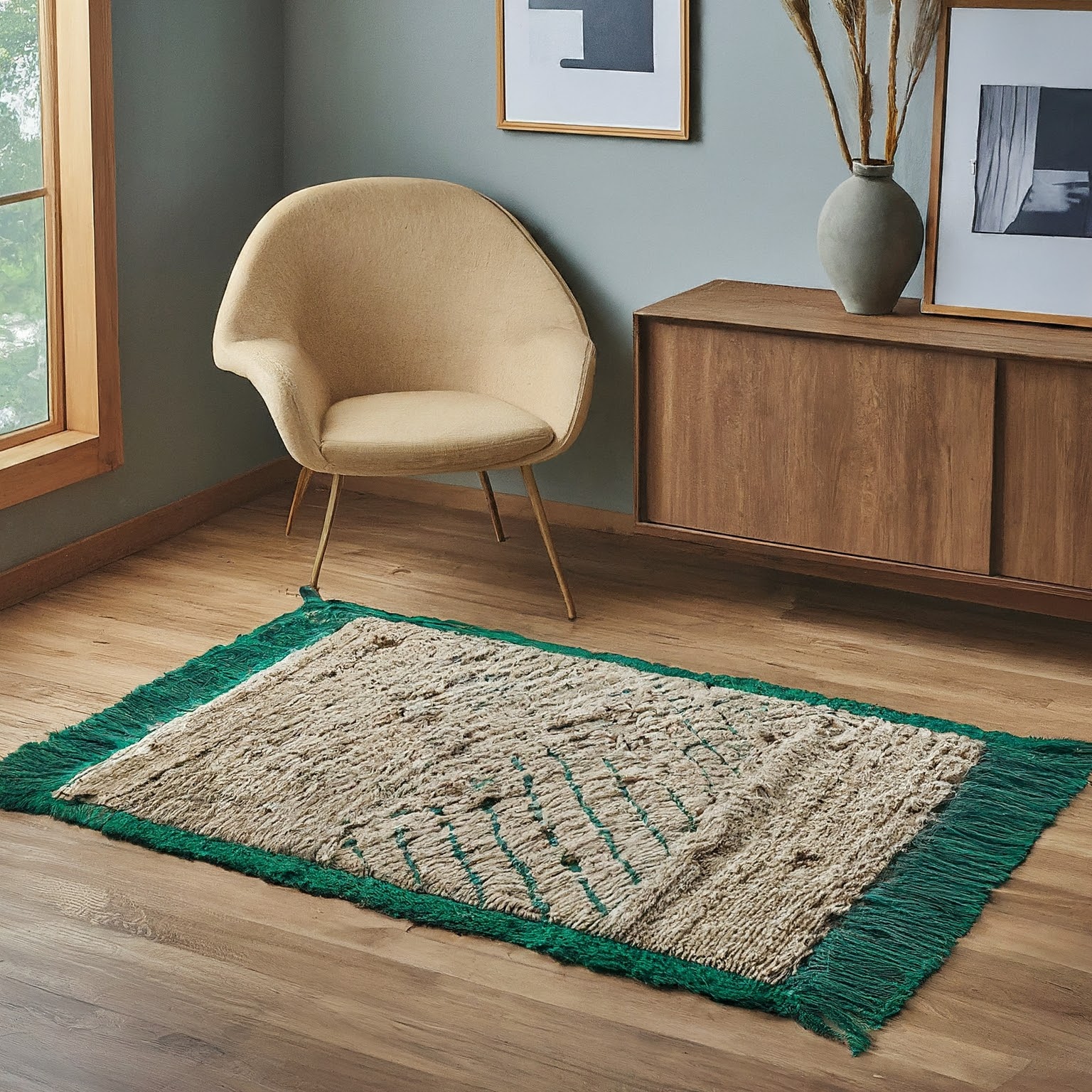
Are Rugs Recyclabe?:Rethinking Sustainability: The Rise of Recyclable Rugs
![]()
NITYA EXPORTS | Friday 08th March 2024
Introduction.
In a world increasingly focused on sustainability, the choices we make for our homes are evolving. One area often overlooked is our rugs. Rugs play a significant role in interior design, but they also have an impact on the environment. Enter recyclable rugs – a sustainable solution that combines style with eco-consciousness. In this blog post, we'll explore the growing trend of recyclable rugs, their benefits, and how they contribute to a greener future.
The Environmental Impact of Traditional Rugs:
Before diving into recyclable rugs, let's first understand the environmental footprint of traditional rugs. Many conventional rugs are made from non-biodegradable materials such as synthetic fibers like nylon and polyester. Manufacturing these materials requires significant energy and resources, contributing to carbon emissions and environmental degradation. Additionally, once these rugs reach the end of their lifespan, they often end up in landfills, where they can take decades to decompose fully.
The Emergence of Recyclable Rugs:
Recyclable rugs offer a sustainable alternative to traditional options. These rugs are typically made from eco-friendly materials such as recycled fibers, organic cotton, or natural fibers like wool and jute. What sets recyclable rugs apart is their ability to be repurposed or recycled at the end of their lifecycle. Instead of contributing to landfill waste, recyclable rugs can be broken down and transformed into new products, minimizing their environmental impact.
Benefits of Recyclable Rugs:
Reduced Environmental Footprint: By opting for recyclable rugs, homeowners can significantly reduce their carbon footprint and lessen the demand for virgin materials. Choosing sustainable materials helps conserve natural resources and reduce energy consumption, contributing to a healthier planet.
Longevity and Durability: Recyclable rugs are often crafted with durability in mind, ensuring they withstand the test of time. High-quality materials and construction techniques result in rugs that maintain their integrity, reducing the need for frequent replacements and further minimizing waste.
Versatility in Design: Sustainable doesn't mean sacrificing style. Recyclable rugs come in a variety of designs, patterns, and colors to suit any aesthetic preference. Whether you prefer a modern geometric pattern or a timeless Persian-inspired design, there's a recyclable rug to complement your space.
Support for Circular Economy: Investing in recyclable rugs supports the principles of a circular economy, where products and materials are reused, repurposed, and recycled to minimize waste. By closing the loop on rug production and consumption, we can create a more sustainable and resilient economy.
What types of rugs are recyclable?
Several types of rugs are potentially recyclable, depending on their materials and construction. Here are some common types:
1) Synthetic Fiber Rugs: Rugs made from synthetic materials like nylon, polyester, or polypropylene are often recyclable. These materials can be melted down and reused to create new products.
2) Wool Rugs: Wool rugs can be recycled or repurposed into new textiles or insulation material.
3) Cotton Rugs: Cotton rugs can also be recycled into new textiles or repurposed into other products.
4) Natural Fiber Rugs: Rugs made from natural fibers such as jute, sisal, or bamboo may also be recyclable, although the recycling process might be more limited compared to synthetic or wool rugs.
5) Felted Wool Rugs: Rugs made from felted wool can typically be recycled into new wool products.
6) Mixed Material Rugs: Some rugs are made from a combination of materials, which might make recycling more challenging. In such cases, it's best to check with local recycling facilities to see if they can accept them.
It's important to note that while these rugs may be recyclable, not all recycling facilities accept textiles for recycling, and the availability of textile recycling programs can vary depending on your location. Therefore, it's essential to research and contact local recycling centers or waste management authorities to determine the recycling options available to you.
Are hand knotted rugs recyclable?
Hand-knotted rugs, typically made from natural fibers like wool, silk, or cotton, are generally not easily recyclable in the same way as synthetic rugs. The recycling process for hand-knotted rugs can be quite challenging due to their intricate construction and the variety of materials used.
However, there are some ways hand-knotted rugs can be repurposed or reused:
Donation: If your hand-knotted rug is still in good condition but you no longer need it, consider donating it to charitable organizations, shelters, or thrift stores. This allows the rug to be used by someone else who may need it and extends its lifespan.
Upcycling: Get creative and repurpose your hand-knotted rug into other household items or decorative pieces. For example, you could cut it into smaller pieces to make cushion covers, wall hangings, or even smaller rugs.
Repair and Restoration: If your hand-knotted rug is damaged or worn out, consider having it repaired or restored by professional rug repair services. This can extend its life and reduce the need for a new rug.
Local Artisans or Craftsmen: Some local artisans or craftsmen may be interested in using parts of hand-knotted rugs for their projects. You could reach out to them to see if they have any use for your old rug.
While hand-knotted rugs may not be as easily recyclable as some other materials, exploring these alternative options can help minimize waste and maximize the lifespan of your rug.