The Art of making Handknotted Rugs.
The Intricate Process of Making Handknotted Rugs
NITYA EXPORTS | Sun 26 June 2022
Introduction
Handknotted rugs are not just floor coverings; they are pieces of art that tell stories of tradition, craftsmanship, and cultural heritage. At Nitya Exports, we take pride in creating custom handcrafted rugs that reflect the rich legacy of Indian artisans. In this blog post, we will take you through the meticulous process of making handknotted rugs, a journey from raw materials to exquisite masterpieces.
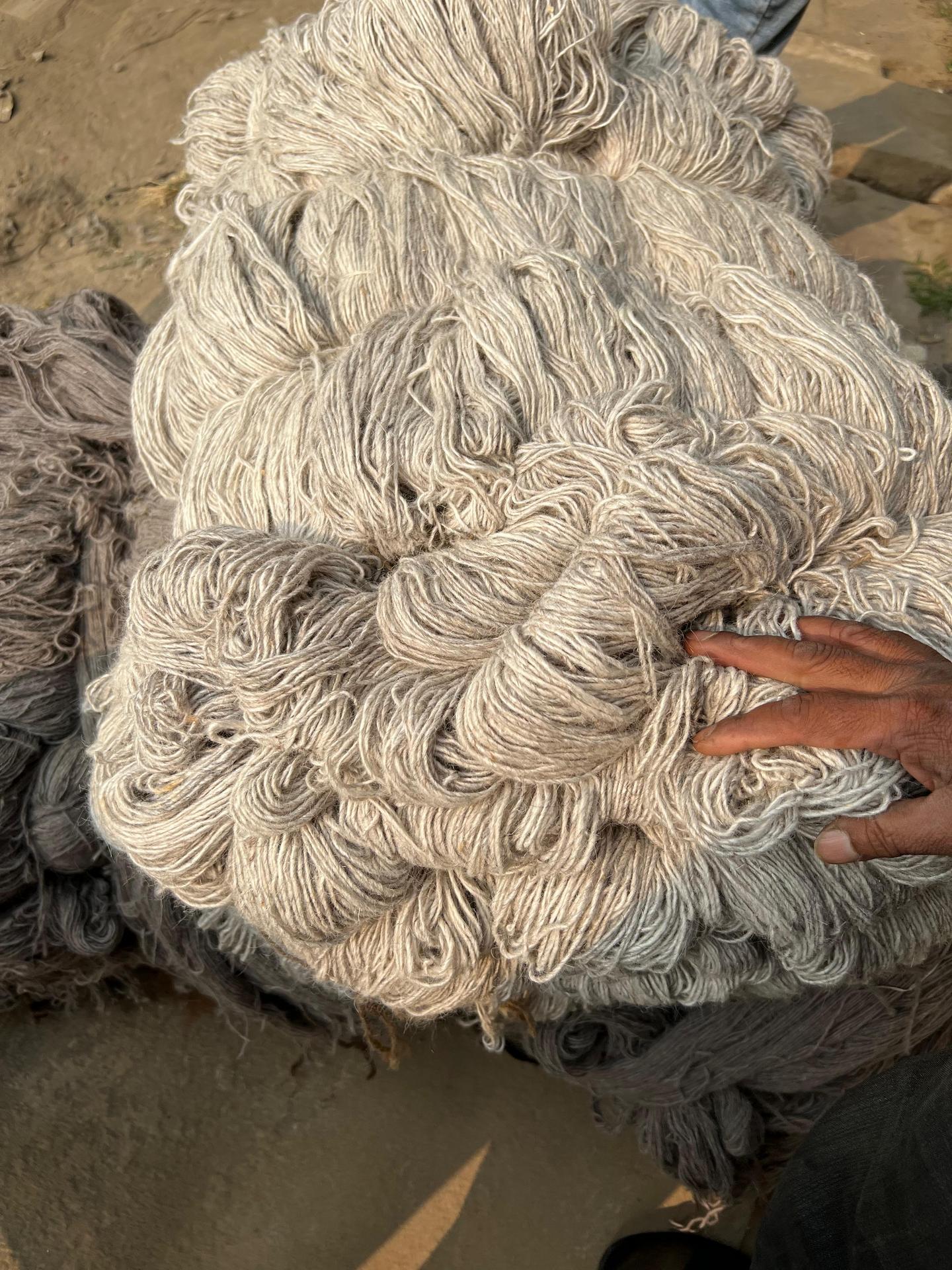
1. Selecting the Raw Materials
The journey of a handknotted rug begins with the selection of high-quality raw materials. We use natural fibers like wool, silk, and cotton, chosen for their durability, softness, and ability to take on vibrant dyes. The choice of materials significantly impacts the rug's final texture and appearance.
2. Designing the Rug
Before any knots are tied, a detailed design is created. This design can be traditional, contemporary, or a custom pattern requested by the client. Our skilled designers meticulously plan the colors, motifs, and layout, ensuring that the final product is both aesthetically pleasing and structurally sound.
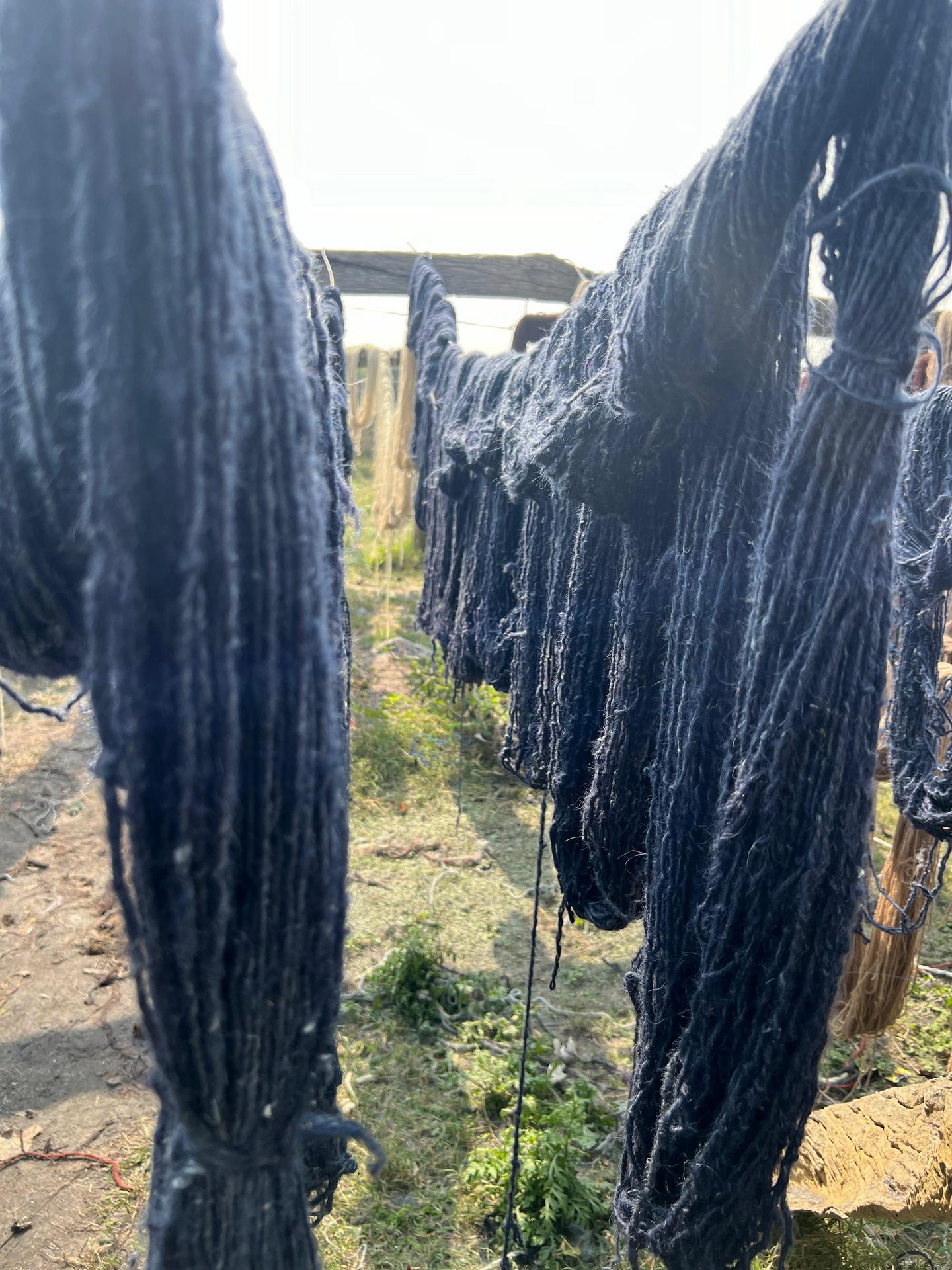
3. Dyeing the Yarn
The next step is dyeing the yarn. We use both natural and synthetic dyes to achieve the desired colors. The dyeing process requires precision and expertise to ensure the colors are vibrant, consistent, and long-lasting. Our artisans carefully monitor the dyeing process to achieve the perfect shades for each rug.
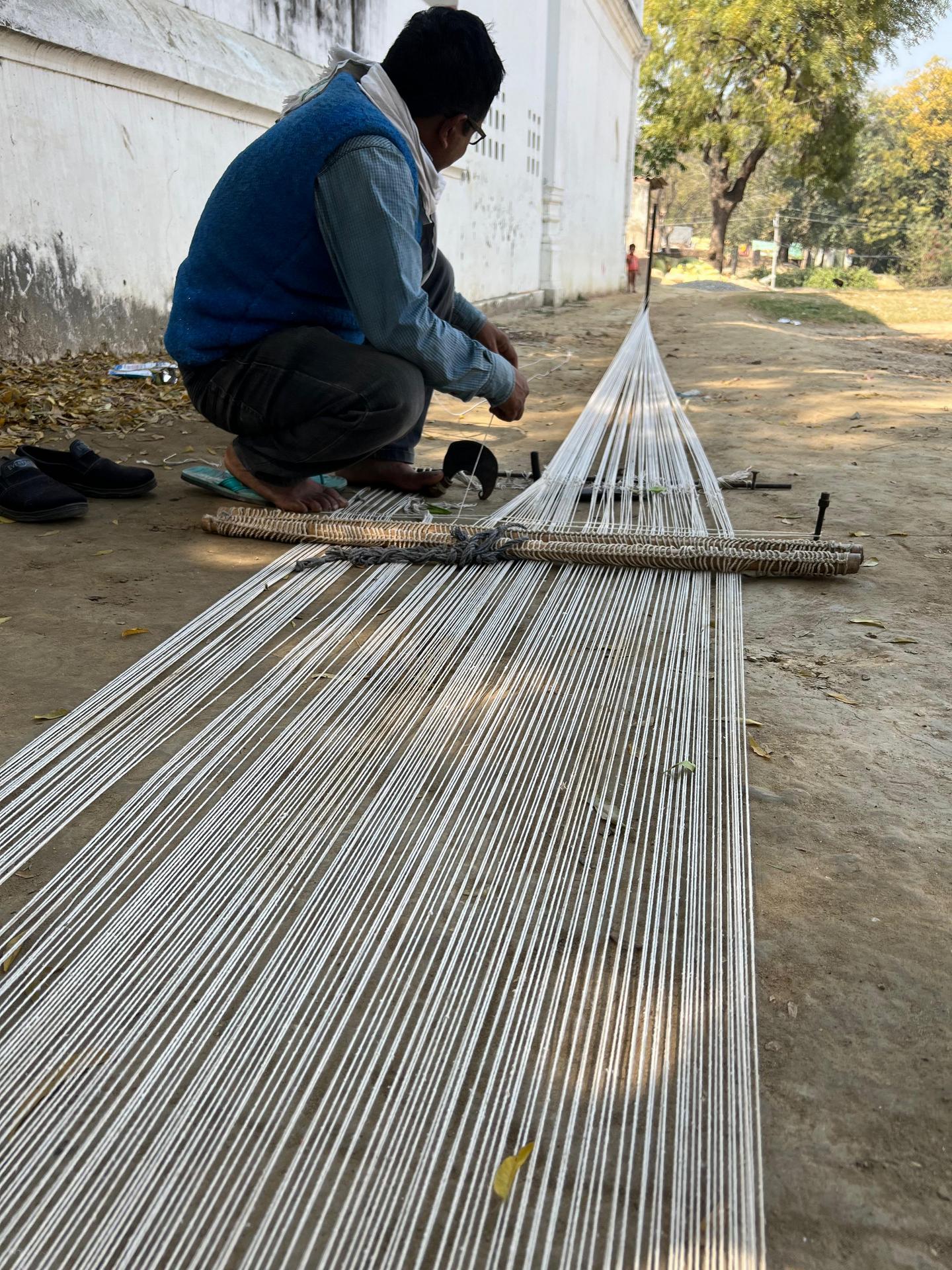
4. Setting Up the Loom
Once the yarn is dyed, it is time to set up the loom. The loom is a frame used to hold the warp threads in place while the weaver ties the knots. Setting up the loom is a critical step, as it determines the rug's size and shape. Our weavers are trained to ensure the warp threads are perfectly aligned and taut.
5. The Knotting Process
The heart of handknotted rug making is the knotting process. Each knot is tied by hand, with precision and care. This process can take weeks or even months, depending on the rug's size and complexity. The most common knot used is the Persian knot, known for its durability and intricate patterns.
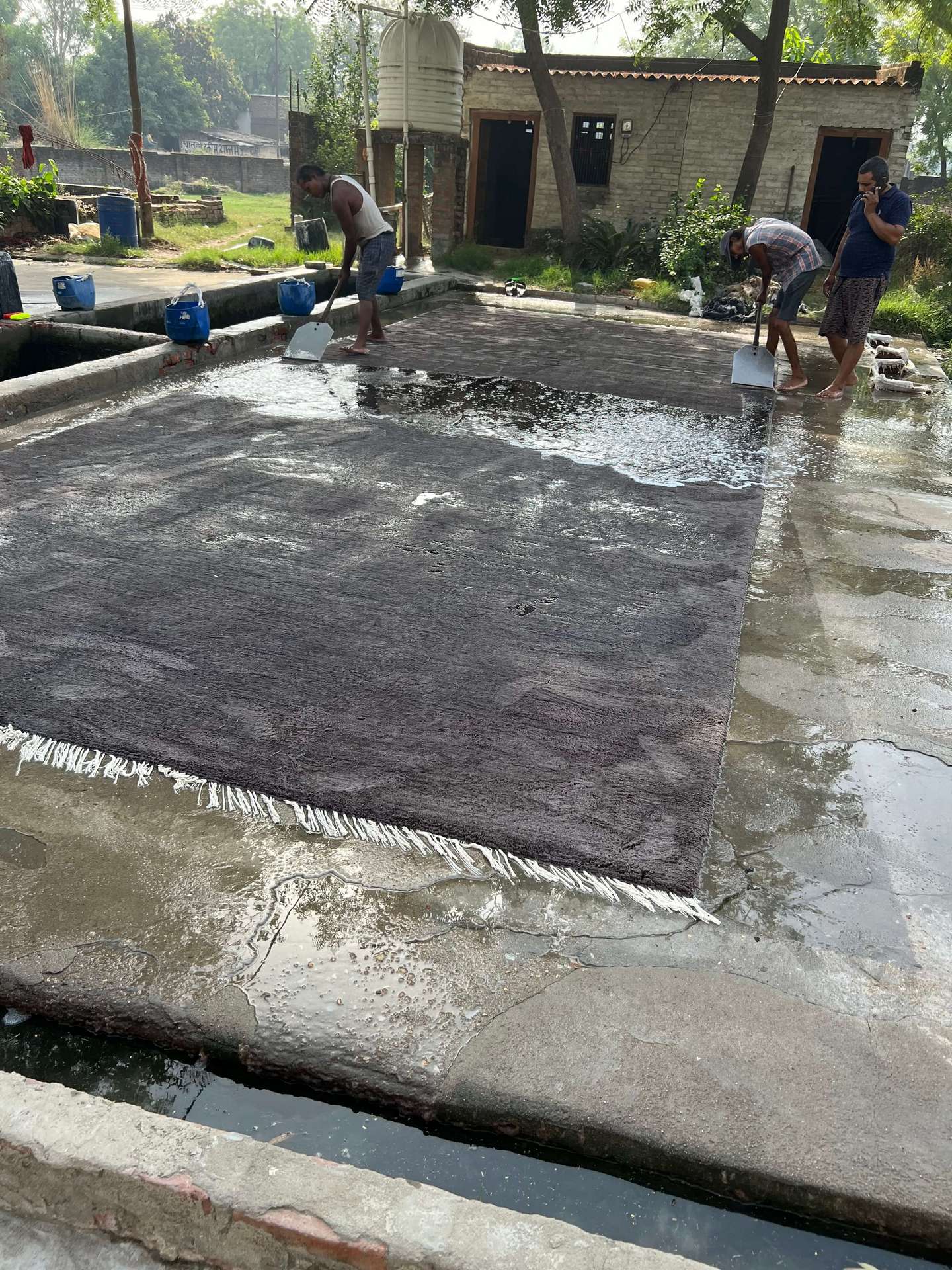
6. Trimming and Finishing
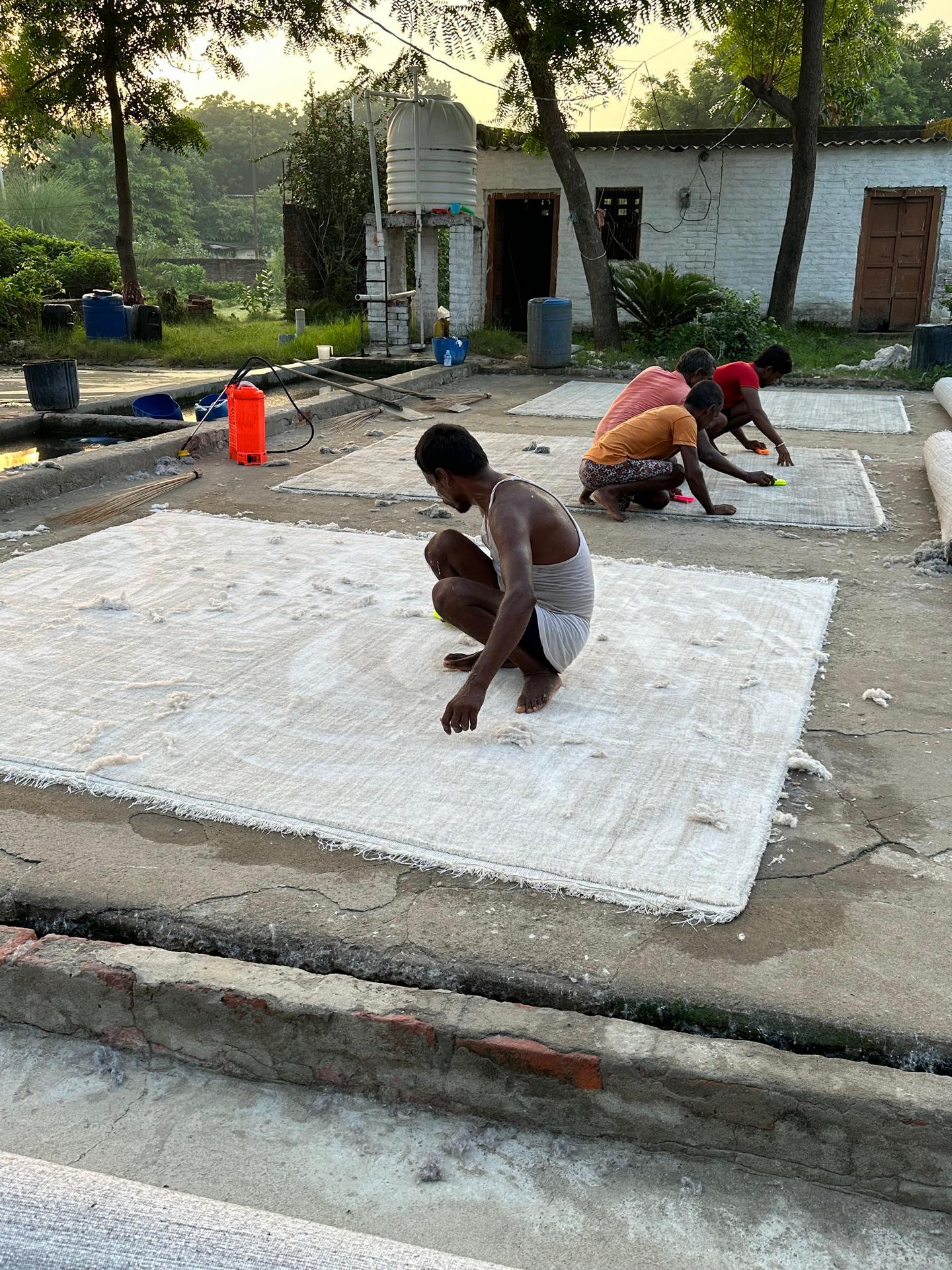
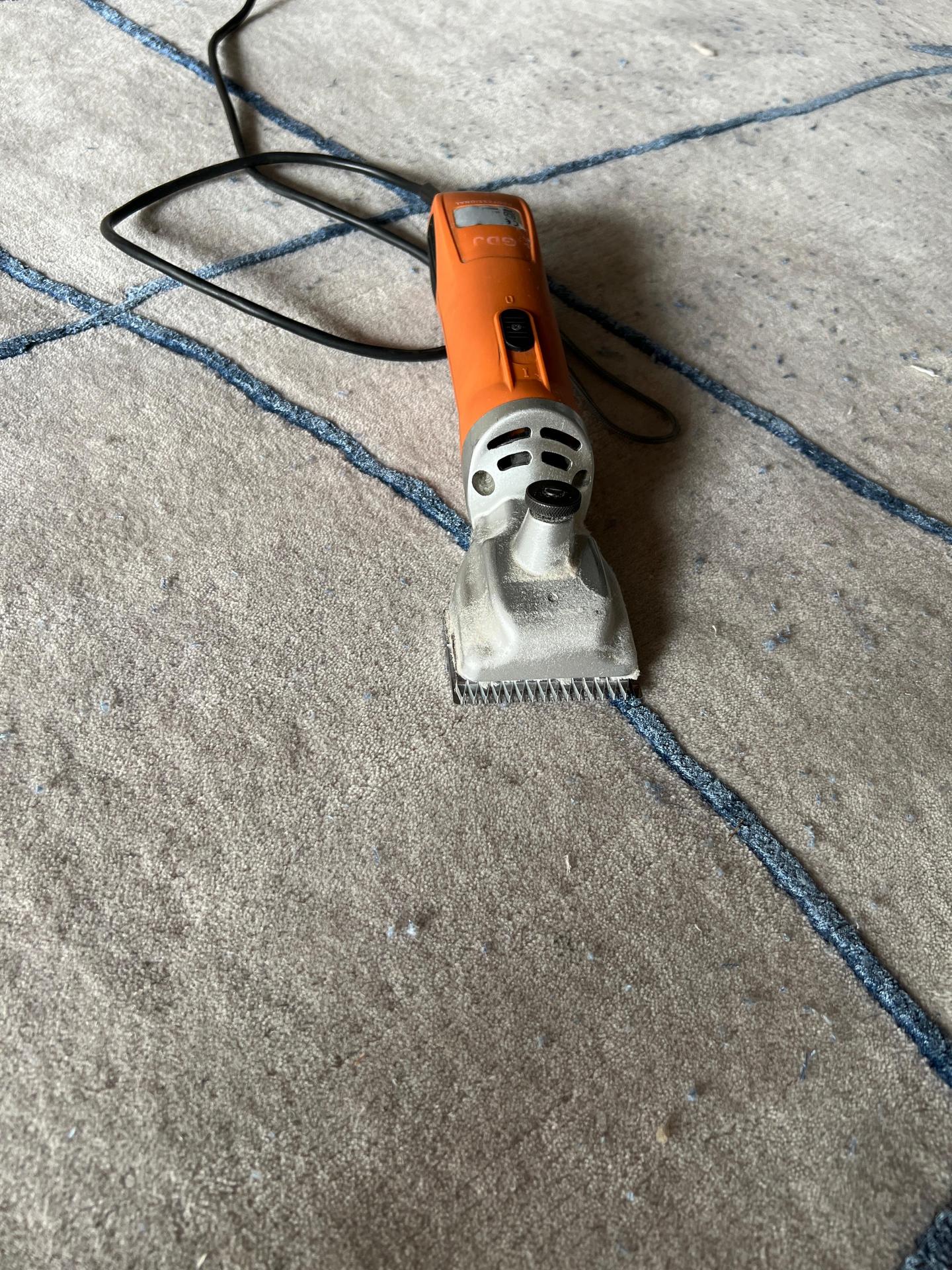
After the rug is fully knotted, it undergoes a series of finishing processes. The pile is trimmed to the desired height, and the edges are secured. The rug is then washed to remove any excess dye and to enhance the softness and shine of the fibers. Finally, it is stretched and dried to ensure it retains its shape.
7. Quality Control and Inspection
Quality is paramount in every step of our process. Each rug undergoes a thorough inspection to ensure it meets our high standards. Any imperfections are corrected, and the rug is carefully examined for consistency in design, color, and texture. This meticulous quality control guarantees that our customers receive only the best.
Conclusion
The process of making handknotted rugs is a labor of love that combines traditional techniques with modern innovations. At Nitya Exports, we are dedicated to preserving this art form and delivering exquisite, custom handcrafted rugs to our clients. We hope this behind-the-scenes look at our process gives you a greater appreciation for the skill and dedication involved in creating each of our masterpieces.